
Year
2021
Role
End-to-end design for mobile and web experiences tailored to extreme field conditions, plus design system contributions and DesignOps rituals within IBM Consulting
Team & Stakeholders
IBM | Chevron

Designing for a context that doesn't forgive mistakes
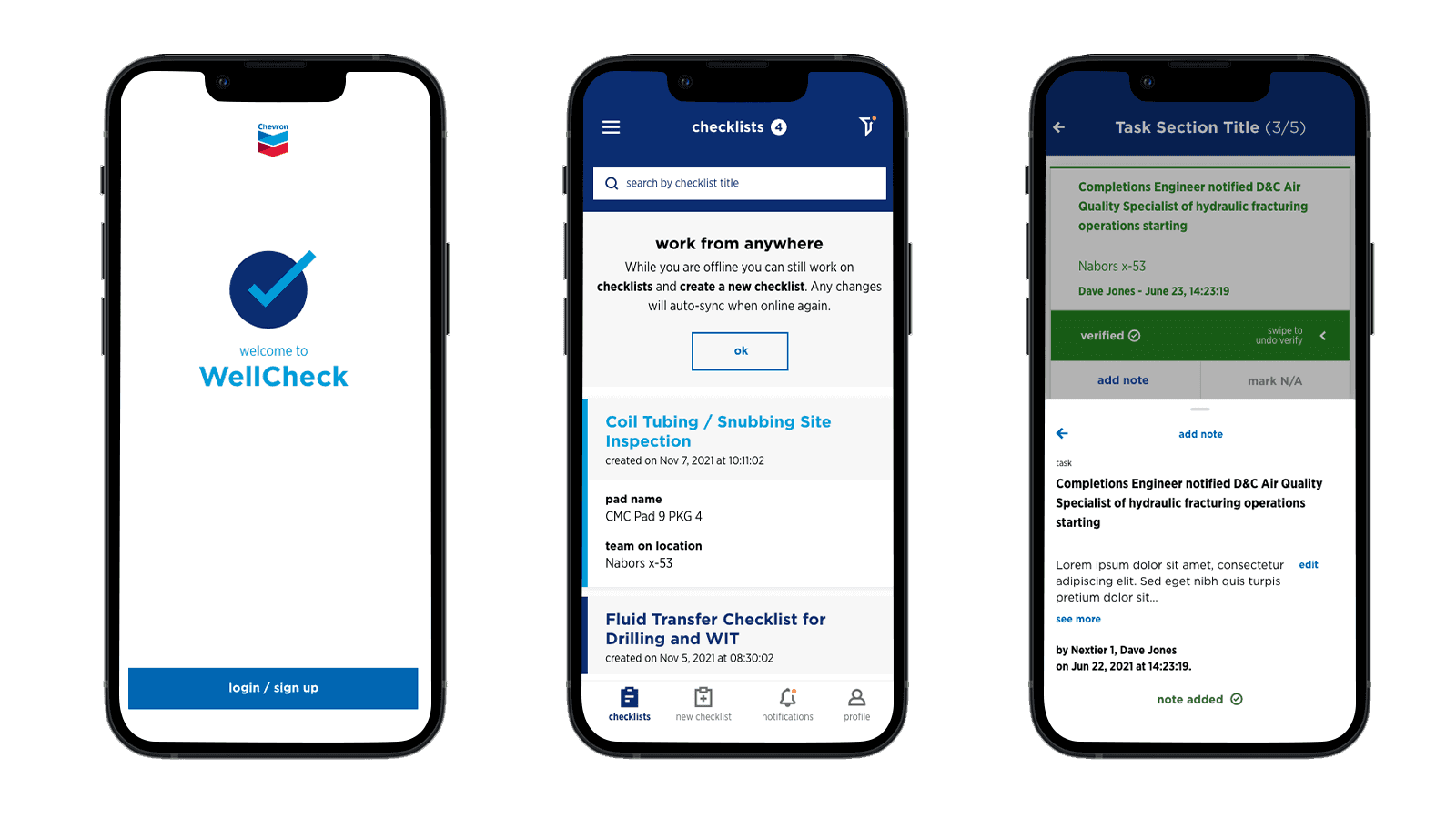
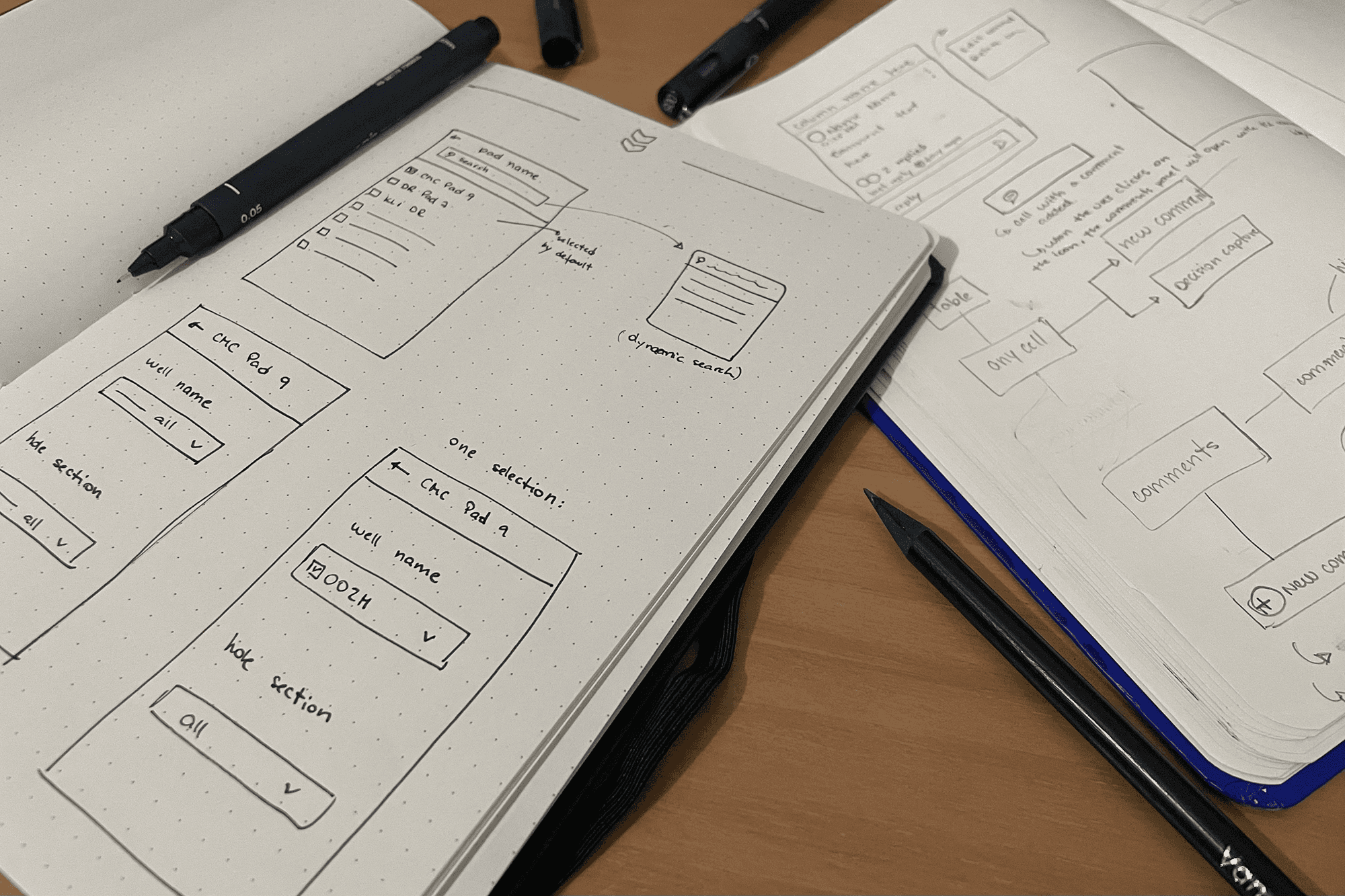
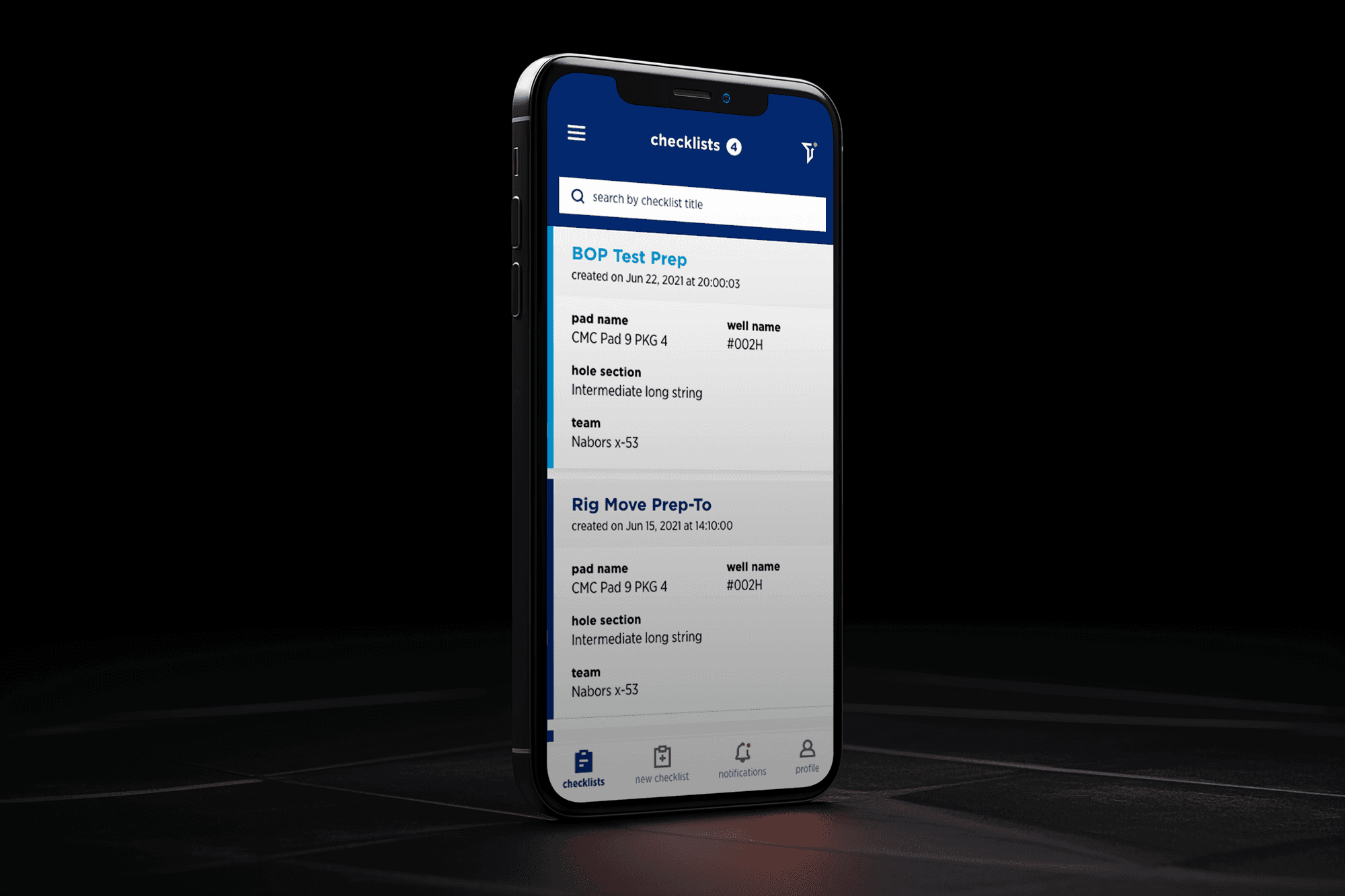
The brief sounds simple: give field workers a digital checklist. But the context makes everything harder. No internet signal across most of the field. Workers operating under physical and cognitive load. High-stakes tasks where a missed step isn't a UX issue, it's a safety incident. And an industry with very low design maturity, where convincing stakeholders that user-centricity matters is part of the job. I approached this through rapid user testing in the field, stakeholder workshops, and close collaboration with engineers to understand exactly what was technically possible offline. The solution needed to be intuitive enough that new employees could use it without training, and reliable enough that workers trusted it over the paper systems they had used for years. The app centered on smart task-based checklists with built-in safety warnings, real-time notifications to improve communication between field teams and business partners, and offline functionality that allowed seamless work without connectivity, with automatic sync on reconnection.
Impact
The results came directly from field workers in the Wells department, interviewed after the first version launched. Before the app, completing each task set took around 3 hours manually. After launch, that dropped to between 30 minutes and 1 hour depending on complexity, saving hours per person, per shift, in some of the most demanding conditions imaginable. Safety improved too. Before WellCheck, protocols were spread across paper forms or informal communication, which increased the risk of missed steps. The app provided clear, step-by-step guidance for each activity including required equipment and safety procedures. As the solution expanded to include safety audits and compliance checks, it enabled safety supervisors to monitor execution at scale. Based on the company's internal safety data, this shift was projected to reduce the risk of field incidents by over 50%. No training required for new employees. Duplicate work eliminated. A projected 50%+ reduction in field incidents based on internal safety reports.